
Home Interior Design: Transforming Your Living Space with Style and Function
Creating a beautiful home is more than selecting furniture or adding décor—it’s about designing a space that reflects your personality, suits your lifestyle, and makes you feel inspired every day. Home interior design plays a key role in shaping how you live, how you feel, and how you experience your home. Whether you’re giving your space a fresh makeover or planning a full interior transformation, understanding the essentials of design helps you make smart and stylish choices.
In this guide, we’ll explore practical ideas, design principles, and trends to help you elevate your home interiors with confidence.
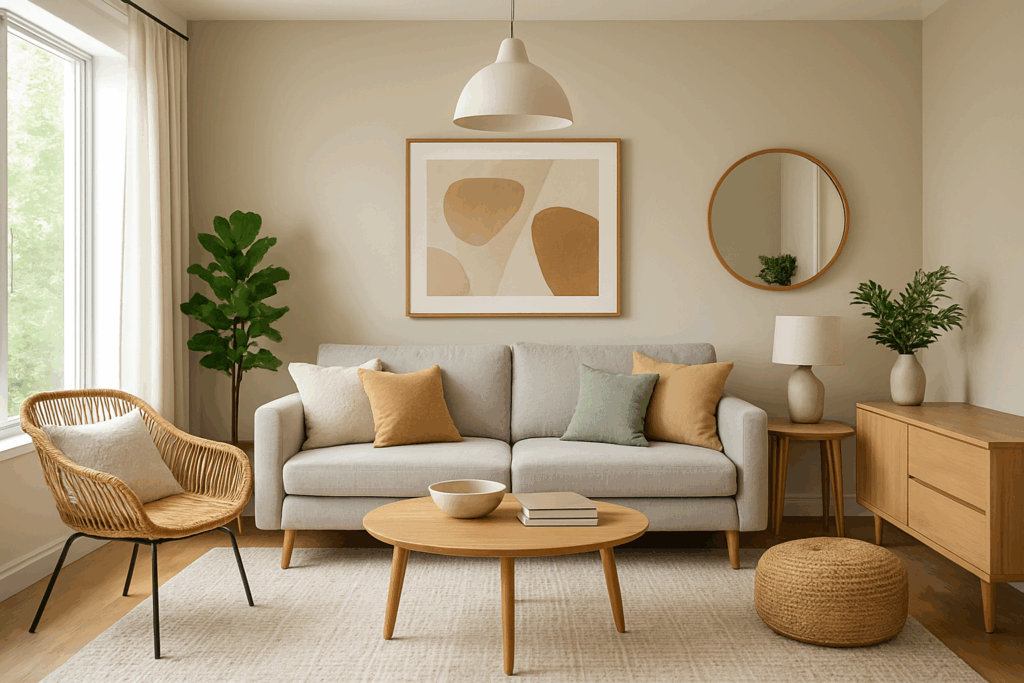
What Is Home Interior Design?
Home interior design is the art and science of enhancing the inside of a home to create a functional, visually appealing, and comfortable environment. It includes everything from layout planning and furniture selection to color palettes, lighting, textures, and décor styling.
A well-designed home balances:
- Functionality – Spaces should be practical and easy to use.
- Aesthetics – The look and feel should match your taste.
- Comfort – Your home should feel relaxing and welcoming.
The Core Principles of Interior Design
Understanding a few essential design principles can help you make better choices:
1. Balance
Balance ensures that the room looks harmonious, not overcrowded on one side or empty on the other. You can achieve balance through:
- Symmetrical arrangements
- Asymmetrical layouts
- Circular or radial layouts
2. Harmony
Harmony ties everything together. When colors, textures, and patterns complement each other, your space instantly feels more cohesive and elegant.
3. Contrast
Adding contrast through colors, materials, or shapes keeps the room from feeling bland. For example, pairing light walls with dark furniture or mixing metal and wood elements adds visual interest.
4. Rhythm
Rhythm is created by repeating elements like colors, patterns, or shapes throughout the space. This guides the eye smoothly from one area to another.
Choosing the Right Color Palette
Your color palette sets the mood of your space.
Here are some popular approaches:
Neutral Tones for Timeless elegance
Shades like white, beige, gray, and cream create a calm, clean, and spacious feel. They also make it easier to mix and match décor pieces.
Bold Colors for Modern Energy
Deep blues, greens, mustard, terracotta, and jewel tones add personality and depth. These work well for accent walls or statement furniture.
Soft Pastels for a Cozy Atmosphere
Blush pinks, mint greens, and soft blues are perfect for creating a peaceful, soothing environment.
Furniture Selection: Comfort Meets Style
Choosing the right furniture improves both the functionality and appearance of your home.
Invest in Essential Pieces First
Start with major items like:
- Sofas
- Beds
- Dining tables
- Wardrobes
- Study desks
These pieces should be durable, comfortable, and sized appropriately for your rooms.
Keep Proportions in Mind
Oversized furniture in a small room can make it feel cramped, while tiny pieces in a large space may look lost.
Mix Modern & Classic Styles
Blending styles can create a unique, personalized look—such as pairing a modern sofa with a vintage coffee table.
Lighting: The Heart of Interior Design
Good lighting enhances everything—from wall colors to furniture textures.
Layer Your Lighting
Create a balanced lighting plan using:
- Ambient light: Ceiling lights, LED panels
- Task lighting: Study lamps, kitchen under-cabinet lights
- Accent lighting: Spotlights, wall sconces, decorative lamps
Use Natural Light Wisely
Large windows, sheer curtains, and reflective surfaces can brighten the room and make it feel larger.
Decor & Accessories to Elevate Your Space
Small details often make the biggest difference.
Wall Art & Mirrors
Mirrors can make rooms feel more spacious, while art creates a focal point and adds character.
Plants for Freshness
Indoor plants add a touch of nature, improve air quality, and make your home feel lively.
Textures & Fabrics
Rugs, cushions, curtains, and throws help soften the space and add warmth.
Storage Solutions
Use stylish storage options such as floating shelves, baskets, or multi-functional furniture to keep your home organized and clutter-free.
Current Home Interior Design Trends
Here are some trending design styles:
1. Minimalist Interiors
Clean lines, neutral colors, and uncluttered spaces create a calm, modern ambiance.
2. Scandinavian Design
Light wood, cozy fabrics, and simple décor make this style warm and airy.
3. Industrial Style
Exposed brick, metal accents, and rustic finishes give a bold, urban feel.
4. Biophilic Design
Natural materials, plants, and earthy elements connect your home with nature.
5. Smart Home Integration
Technology-driven interiors—like smart lighting or automated blinds—add comfort and convenience.
Tips to Design Each Room of Your Home
Living Room
- Choose a comfortable seating arrangement.
- Use a mix of overhead and floor lamps.
- Add a large rug to define the space.
Bedroom
- Opt for calming colors.
- Use layered bedding for a cozy look.
- Keep nightstands simple and functional.
Kitchen
- Ensure efficient storage.
- Use bright, easy-to-clean surfaces.
- Add pendant lights over the counter.
Bathroom
- Use waterproof, durable materials.
- Add mirrors for brightness.
- Keep toiletries organized.
Frequently Asked Questions (FAQs)
1. How do I start designing my home interiors?
Begin by identifying your style, gathering inspiration, choosing a color scheme, and planning your layout.
2. How can I make a small room look bigger?
Use light colors, mirrors, vertical storage, and compact furniture to create the illusion of space.
3. What is the most important element in interior design?
Balance and harmony are key, followed by proper lighting and thoughtful furniture placement.
4. How much does home interior design cost?
Costs vary depending on materials, space size, and design complexity, but planning a budget helps guide your decisions.
5. How do I maintain a well-designed home?
Regular cleaning, decluttering, and updating décor pieces keep your home looking fresh and stylish.
Conclusion
Home interior design is a journey that allows you to transform ordinary rooms into beautiful, functional, and meaningful spaces. With the right principles, quality furnishings, and thoughtful décor, your home can become a perfect reflection of your lifestyle and personality. Whether you prefer a minimal, modern, or vibrant style, designing your space with intention ensures that it feels both stunning and comfortable.
SEO-Friendly URL Slug Suggestion
If you’d like, I can also create meta descriptions, social media captions, or additional variations!
Leave a Reply