
Elevating Your Living Space: The Definitive Guide to Stunning Home Interiors
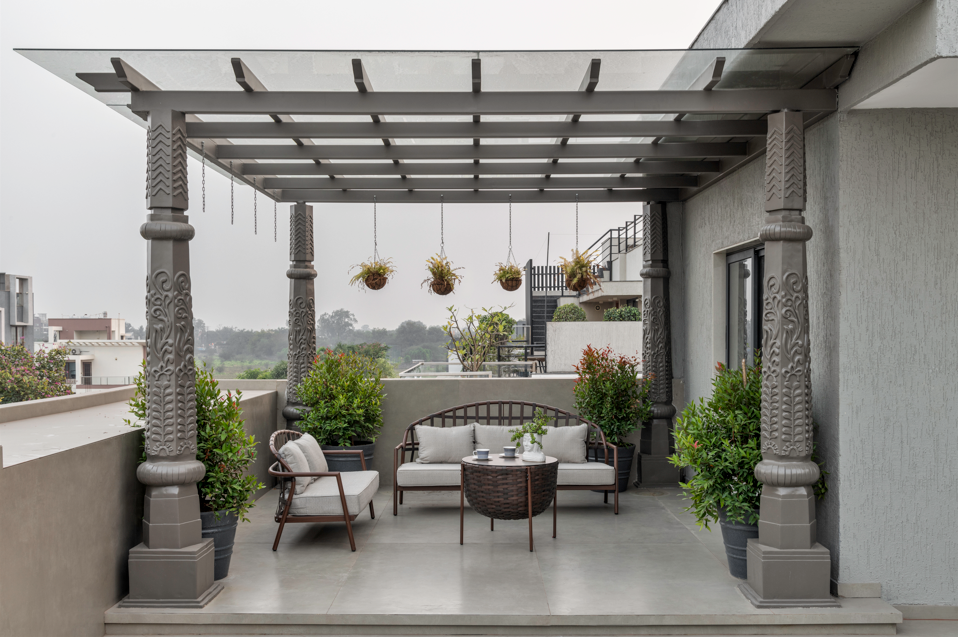
Your home shapes your mood each day. A cluttered room can drain your energy, while a well-designed space lifts your spirits and boosts focus. Think of it as your personal retreat that mixes beauty with everyday needs.
Modern interior design Bhubaneswar blends looks, use, and your own touch. It turns a house into a spot that fits your life. This guide gives you a clear path to create home interiors that feel just right—practical, stylish, and full of your vibe.
The Modern Imperative: Why Interior Design Matters Now More Than Ever
People spend more time at home these days. Remote work blurs lines between office and living room. Homes now serve as spots for rest, play, and self-care all in one.
The home improvement market grows fast. India spending hit billion, per the Joint Center for Housing Studies. Folks want spaces that heal and inspire after tough times.
Good design cuts stress and raises joy. It turns chaos into calm. You deserve a setup that supports your best life.
Decoding Your Personal Style DNA
Start by looking at your daily habits. Do you host friends often? Or crave quiet corners for reading? Jot down what you love and what bugs you in your current space.
Your style comes from life choices. A busy family might pick durable fabrics and open layouts. A solo artist could go for bold colors and quirky pieces.
Test ideas with mood boards. Pin photos on apps like Pinterest. This step matches your look to your routine, so changes last.
Section 1: Foundational Principles of Successful Interior Design
Great home interiors rest on basic rules. These ideas work no matter the trend. They ensure your space flows and feels good.
Mastering Space Planning and Flow (The Layout Blueprint)
Think about how you move through rooms. Avoid tight paths that block easy steps. Scale furniture to fit— a huge couch in a tiny den cramps the vibe.
Zoning helps in open areas. Use rugs to split living from dining spots. This keeps things tidy without walls.
Try this tip: Grab masking tape and outline furniture on the floor. Walk around to check flow. It saves money on wrong buys.
The Crucial Role of Lighting Design
Light sets the tone in any room. Ambient light fills the space, like ceiling fixtures for even glow. Task lights focus on work areas, such as desk lamps.
Accent lights highlight art or shelves. Mix warm bulbs at 2700 Kelvin for cozy feels. Cool ones at 4000 Kelvin suit kitchens.
Layer sources for control. A pro like architect Kelly Wearstler says, “Light layers make rooms alive.” Dimmers add flexibility day to night.
Understanding Color Theory in Residential Spaces
Colors steer emotions in home interiors. Blues soothe for bedrooms. Yellows spark energy in home offices.
Follow the 60-30-10 rule: 60% main color on walls, 30% secondary on furniture, 10% accents in pillows. It keeps balance.
See a bold red accent wall in a neutral living room. It pops without overwhelming. Or stick to grays and whites for a clean, airy scheme that grows with you.
Section 2: Current Trends Dominating Home Interiors
Trends come and go, but smart picks endure. Blend them into your base style. This way, your home stays fresh yet true to you.
Focus on what fits your budget and space. Avoid chasing every fad. Aim for pieces that add joy over years.
Biophilic Design: Bringing Nature Indoors
Nature inside cuts tension. Add big windows for sunlight. Place plants like ferns on shelves for green bursts.
Use wood tables or stone vases. Soft curves in chairs mimic leaves. Studies show this setup lowers heart rates by 10%, says biophilic expert Terrapin Bright Green.
Start small: Hang sheer curtains to let light dance. It connects you to outside, even in a city apartment.
The Rise of Textured Minimalism and Warm Neutrals
Skip cold whites for soft taupes and creams. Layer fabrics like linen throws over bouclé cushions. Raw wood shelves add depth.
This style feels simple but rich. It warms up sleek lines without mess. Terracotta pots bring earth tones to corners.
Tip: Stack textured pillows on a beige sofa. Mix weaves for a cozy nest that invites lounging.
Functional Furniture: Dual-Purpose and Smart Storage Solutions
Space shrinks in cities, so pick multi-use items. A coffee table with hidden drawers hides remotes. Ottoman beds store linens below.
Tech integrates too—charge ports in nightstands. Murphy beds fold up to free floors. IKEA’s IVAR system lets you tweak shelves as needs change.
One example: A modular unit in a studio holds books by day, unfolds to a guest bed at night. It maximizes every inch.
Section 3: Strategic Material Selection and Surface Treatments
Materials touch your senses daily. Choose ones that last and please. They build the backbone of stunning home interiors.
Look at wear and clean-up needs. High quality pays off in less hassle later.
Flooring Choices: Durability Meets Aesthetics
Wood floors warm a home but scratch easy. Engineered versions resist moisture better than solid oak. Luxury vinyl plank mimics looks at lower cost.
Concrete shines in lofts for an industrial edge. It handles heavy steps well. Pick based on traffic—LVP for kids’ rooms, wood for quiet halls.
Weigh upkeep: Seal wood yearly. Vinyl wipes clean in seconds. Match to your life for floors that endure.
Elevating Kitchens and Bathrooms: High-Impact Surfaces
Quartz counters resist stains and need no seal. Quartzite offers natural veining for luxury feels. Both beat granite in easy care.
Backsplashes trend with subway tiles or bold patterns. They shield walls from splashes. Kitchen designer Amy Studebaker notes, “Quality surfaces boost home value by 70% on resale.”
Go for matte finishes to hide fingerprints. In baths, pair with vanities that hide pipes.
The Art of Window Treatments and Drapery
Blinds control light basics, but layers add style. Sheer panels filter sun by day. Heavy drapes block cold at night.
Hang rods high to fake taller ceilings. Use rings for smooth slides. Linen in earth tones softens harsh edges.
Mix patterns sparingly. This setup saves energy bills too—up to 25% in insulation, per Energy Star.
Section 4: Decorating: Layering Personality and Final Touches
Now add your spark. These bits make spaces yours. Build slowly to avoid overload.
Personal items tell your story. They turn a house into home interiors that reflect you.
Curating Meaningful Art and Wall Decor
Group art in odds: Three frames or five. It feels balanced. Hang centers at eye level, about 57 inches up.
Mix sizes for interest. Photos next to prints create flow. Tip: Tape outlines on walls first. Adjust till it clicks—no holes yet.
A gallery wall over a sofa draws eyes. It sparks chats with guests.
The Importance of Textiles and Soft Furnishings
Rugs ground rooms and muffle sounds. Pick ones 8×10 for living areas to fit furniture. Wool lasts; synthetics clean easy.
Velvet sofas hug you soft. Leather adds edge in studies. Wovens like jute bring texture to floors.
Layer curtains, throws, cushions. They shift moods with seasons. Neutrals base it; pops add fun.
Styling Shelves and Vignettes: The Edit Process
Use the rule of thirds: Place items off-center. Stack books flat and tall. Tuck plants or vases beside.
Edit ruthless— if it doesn’t spark joy, store it. Limit to 5-7 pieces per shelf. This fights clutter.
Build vignettes: A candle, book, and bowl make a mini scene. It invites touch and tells tales.
Conclusion: Your Blueprint for Interior Transformation
Home interiors thrive on function plus beauty. Plan space well, light smart, and pick colors that fit your mood. Trends like nature touches and warm textures add fresh life without waste.
Materials matter for lasting joy—durable floors, quality counters, smart drapes. Then layer art, textiles, and shelves to show your style.
Your home evolves with you. Start one room at a time. Grab that tape, sketch ideas, and watch your space bloom. Ready to refresh? Pick a corner today and make it yours.
Leave a Reply